Ostin ensimmäisen kirjoituspöytäni yhtä ainoaa ajatusta silmällä
pitäen. Sen tuli olla mitä parhain vain ja ainoastaan kirjoittamista
varten. Vuosikymmenien aikana moni teksti on syntynyt tuon vankan
tammesta tehdyn ystävän äärellä. Pientä osaa, kenties joitakin satoja,
näistä on päässyt todistamaan ulkopuoliset silmät. Suurin osa on
kuitenkin hautautunut pöydän laatikoihin odottamaan oikeaa hetkeä tai
kenties unohtuakseen ajan hiekan valuessa vääjäämättä tiimalasin läpi.
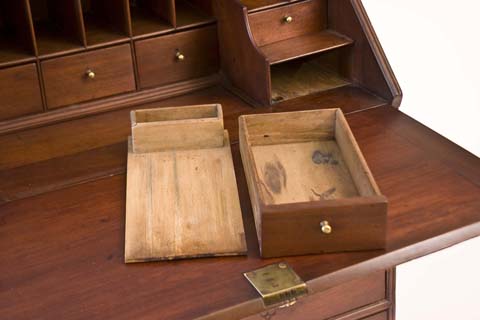
Pöydässäni
on yksi erikoispiirre. Siinä on salalokero, jonka löytäminen ei
todellakaan ole helppoa. Edes vaimoni ei kaikkien yhteisten vuosiemme
jälkeen tiedä siitä. Tästä lokerosta löytyy toisinaan tekstejä, joiden
syntyperästä minulla ei aina ole täyttä varmuutta. Eilen yöllä,
naapuruston valojen sammuttua, tunsin kuinka ystäväni kutsui minua taas
äärelleen. Tuota kutsua ei voi vastustaa. Avasin kätketyn lokeron
vapisevin käsin. Hikipisara tippui otsaltani silmälasini linssiin.
Aivan kuten pelkäsinkin, löysin oudon sulkakynällä halkeilleelle
papyrukselle kirjoitetun tekstin:
"It was the pivotal
teaching of Pluthero Quexos, the most celebrated dramatist of the
Second Dominion, that in any fiction, no matter how ambitious its scope
or profound its theme, there was only ever room for three players.
Between warring kings, a peacemaker; between adoring spouses, a seducer
or a child. Between twins, the spirit of the womb. Between lovers,
Death. Greater numbers might drift through the drama, of
course—thousands in fact—but they could only ever be phantoms, agents,
or, on rare occasions, reflections of the three real and self-willed
beings who stood at the center. And even this essential trio would not
remain intact; or so he taught. It would steadily diminish as the story
unfolded, three becoming two, two becoming one, until the stage was
left deserted. Needless to say, this dogma did not go unchallenged. The
writers of fables and comedies were particularly vociferous in their
scorn, reminding the worthy Quexos that they invariably ended their own
tales with a marriage and a feast. He was unrepentant. He dubbed them
cheats and told them they were swindling their audiences out of what he
called the last great procession, when, after the wedding songs had
been sung and the dances danced, the characters took their melancholy
way off into darkness, following each other into oblivion. It was a
hard philosophy, but he claimed it was both immutable and universal, as
true in the Fifth Dominion, called Earth, as it was in the Second. And
more significantly, as certain in life as it was in art."
Aluksi koko teksti vaikutti vieraalta. Sitten mieleni sopukoista kohosi yksi sana: ”
Imajica.”
Pelkään, että aika on käsillä. En ole enää nuoruuteni voimissa. Silti
minun on pakko kerätä voimani ja astua vielä, kenties viimeisen kerran,
kauhujen kynnykselle. Liian paljon on pelissä - eikä pelkästään
viidennessä valtakunnassa.